Know Your 'Victoria' History: "Warp and Weft"/"The Sins of the Father"

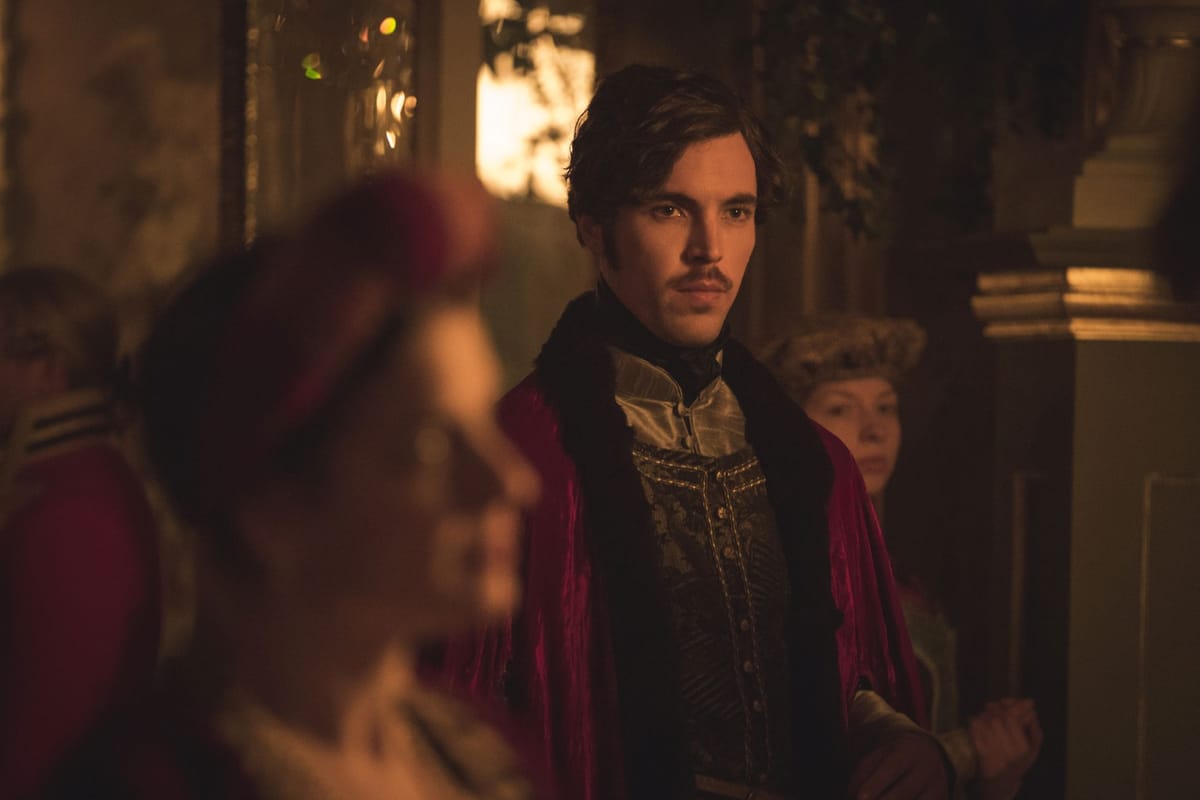
Think you know the history of Queen Victoria's reign? Wondering how much of the history portrayed by PBS series Victoria is accurate? We run down the truth behind the drama in the latest episodes of Season 2, "Warp and Weft" and "Sins of the Father."
The English vs French Silk War
The first half of this week's episode focuses on the pleas by the Spitalfields Silk industry to have Queen Victoria sponsor their creations. In reality, by the 1840s, the silk industry from this area was already in long decline, and not just because of French imports. (Ironically the Spitalfields markets were established by protestant French refugees in the 1700s, but nevermind.) Riots in the 1760s had caused price controls to be established, giving those who created these fabrics little incentive to pay good wages or innovate when new machinery was introduced. Therefore by Victoria's time, the industry's collapse was already one of its own making, as most of those with talent had chosen to work in places with better wages and where mass production meant higher profits.
In that way, Victoria's comparison of raising a tariff on the Silk trade to the Corn Laws is off, though she's not wrong about the Corn Laws being passed because they had people in the House of Lords and the silk traders did not. At least, in years when the UK crops didn't fail, they were being produced at industry standards. But as viewers can imagine, the UK's ability to grow corn in comparison to say, France's or the United States' ability to do the same, showed Parliment to be acting out of self-interest instead of on behalf of the good of the people.