Dated or Delightful? 'Lovejoy'

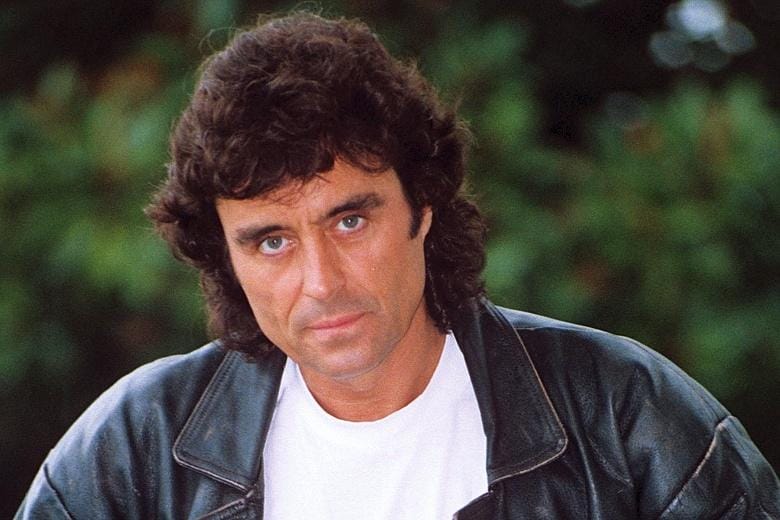
In this installment of Dated or Delightful we return to 1986 to find out if a show about a roguish antiques dealer with a heart of gold still holds up in 2016. Based on the novels of Jonathan Gash, Lovejoy, starring Ian McShane as the title character, debuted on BBC One three decades ago. The series later aired in the US on the A&E network.
If you aren’t familiar with this comedy/crime drama, let me enlighten you. Lovejoy is a slightly mysterious type. He never reveals his first name insisting he be addressed only as Lovejoy. He is what people in the antiques and forgers trade call a divvie – one who instinctively knows a fake from the real article. He also has a way with the ladies which has been known to get him into some trouble.
Lovejoy will engage in unscrupulous deals as readily as the next guy; however he’s a true romantic when it comes to genuine antiquities. With the help of a small band of accomplices – I mean assistants -including his apprentice Eric (Chris Jury), his barker Tinker (Dudley Sutton), and his friend in high places Lady Felsham played by Downton Abbey’s very own Mrs. Hughes, Phyllis Logan, Lovejoy spends as much time chasing villains and helping those who have been conned as he does “earning a crust” for himself. Is it any wonder he’s always skint?
When I began watching the first few episodes of this series, I thought it would be the easiest call I’ve made so far. There was no doubt that the show could be entertaining in places and pleasantly nostalgic. (I was in London for a college semester in 1986 so the references to Capital Radio, a hot new restaurant called The Hard Rock Café and a barrage of 80’s Brit pop and fashion was a fun romp down memory lane.)
Nonetheless after only two installments I was ready to call Lovejoy hopelessly dated and move on. For one thing, the wardrobe was far too faddish to considered anything but a distraction. In particular, the supposedly irrestible femme fatales are laughable polyester pantsuited ladies with chunky jewelry and teased out hair. From Lady Jane’s baggy belted jumpsuits to Lovejoy’s scarves and stone washed jeans, I winced at what had been considered fashionable in my youth.
Physical appearances aside what struck me as most dated had to do with the performances themselves. Hour long mystery or crime dramas are usually full of guest performances by up and coming actors yet I didn’t recognize a single face in the first season. The villains were over-the top in a bad way and engaged in poorly choreographed fight scenes.
For example, Lovejoy took on an axe-wielding madman hell-bent on retrieving an ancient headdress that had gone astray during his incarceration. He also crossed paths with a couple of pushy “Americans” (with very bad accents incidentally) who resort to deceit and violence to secure a dead man’s treasure. These characters tended to be stiff stereotypes and border on the farcical type seen in B-movies.
The most ridiculous villain of all is Lovejoy’s pompous landlord and nemesis, Charlie Gimbert (Malcolm Tierney). The two men are constantly in competition for the same heirlooms and objet d’art and neither are averse to trickery and deception. Yet in the end it is always Lovejoy who gets Gimbert’s goat by shagging Charlie’s promiscuous younger sister or not paying his rent. Though surely Lovejoy’s indiscretions and taunting shouldn’t lead to unreasonable rages like this one: