Is Netflix's New 'Rebecca' Worth Watching?

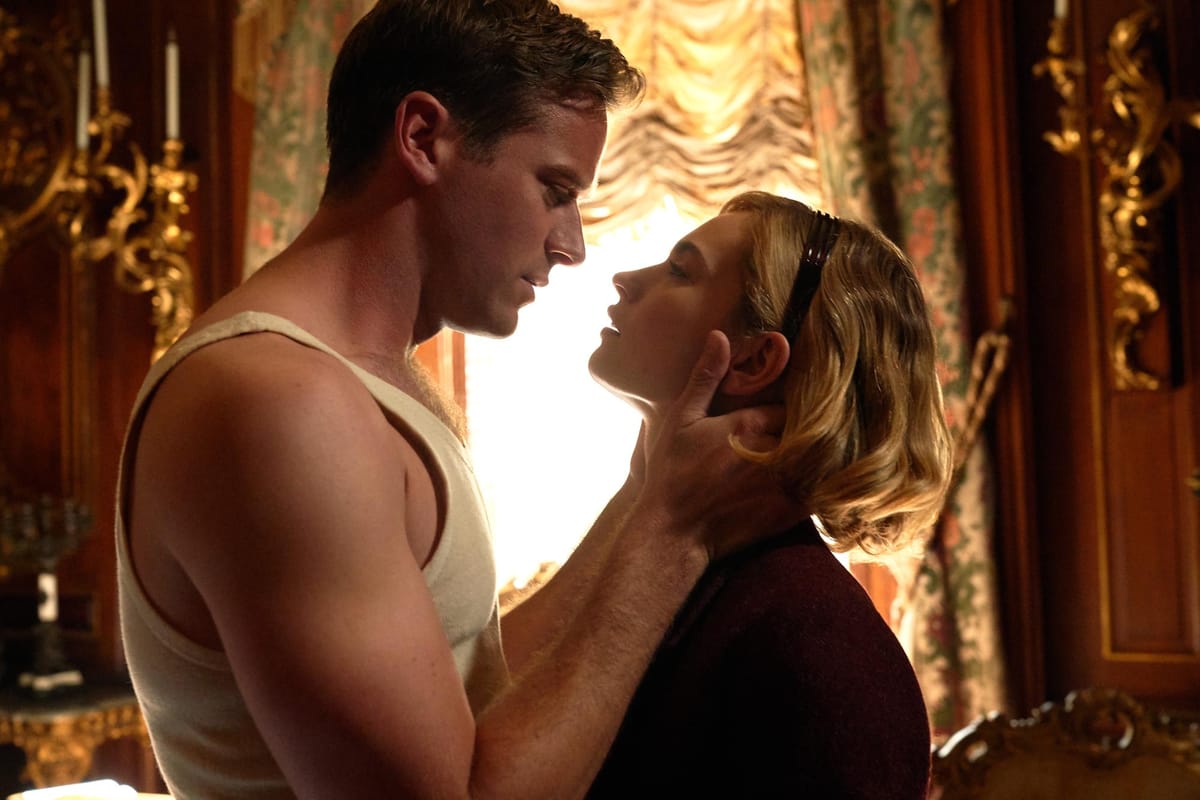
Last night I dreamt I went to Manderley again. It seemed to me I stood by the iron gate to the drive, and for a while I could not enter, for the way was barred to me. There was a padlock and a chain upon the gate. I called in my dream to the lodge-keeper, and had no answer, and peering closer through the rusted spokes of the gate I saw that the lodge was uninhabited.
Rebecca by Daphne du Maurier
Netflix’s glamorous Rebecca sports a (mostly) great cast and gorgeous cinematography, but has the same sort of problem the second Mrs. de Winter has: An inevitable comparison with a predecessor, Alfred Hitchcock’s 1940 Rebecca. The only one of Hitchcock’s movies to win an Oscar for Best Picture, the dramatic story of the unfortunate wives of Maxim de Winter is told with just the right amount of over-the-top camp, eroticism, and scenery-chewing. It too had a stellar cast: Laurence Olivier snapping out lines like “I’m asking you to marry me, you little fool,” with cut-glass precision; Joan Fontaine as the vulnerable second Mrs. de Winter; and Judith Anderson as the obsessive, dangerous Mrs. Danvers.
Even if you haven’t seen Hitchcock’s version, or read the book by Daphne du Maurier, you’ll recognize these tropes, so strong is their influence on popular culture—copied, satirized, debunked. The literary roots go back at least a couple of hundred years to the Gothic craze of the long-ago eighteenth-century. We all like to be scared, don’t we?
Or do we? Consider this scenario. A young woman with no friends, family, or job skills meets a damaged, charismatic older man. He lures her to his remote country house where she is isolated, demeaned, and gaslit. Is this really a story about abuse? You decide.
The director of Netflix's version is Ben Wheatley (Free Fire, A Field in England), best known for his edgy mix of horror and comedy, which suggests that he will be bringing a new and modern perspective to du Maurier’s masterpiece. And thanks to the production and costume designers, Sarah Greenwood and Julian Day, the movie looks terrific.
Interestingly, Hitchcock scouted locations in England for the de Winter mansion, Manderley, and eventually gave up and relied on Hollywood sets. In the Netflix version, several historical locations were used, some of which you’ll probably recognize, as well as the gorgeous coastal scenery. The opening scenes in a posh resort in the south of France feature an equally beautiful coastline and a very smart 1930s hotel.