'Ten Percent' 100% Wishes It Was 'Call My Agent'

Despite what you may have heard, Netflix is not dead. The streaming service is still head and shoulders above the rest when it comes to a subscriber user base, and though the vast majority of its ~60 originals that it churns out every month may be utter junk, it is still one of the best ways to make broadcast shows into hits. The Netflix bump has done wonders for everything from Breaking Bad back during its initial run to Schitt's Creek in the last two years. (One could argue Netflix was partly responsible for the latter's Emmy sweep in 2020.) Case in point: Call My Agent, the French comedy that no one in America would know exists if it weren't for Netflix and whose popularity has swelled as a result.
Anything in a foreign language that Americans enjoy is ripe for English remake, even shows like the ones on Walter's Choice, whose original aim was to bring over these hit series intact and help English speakers over the one-inch tall barrier of subtitles. The new version of the hit series is titled Ten Percent after Call My Agent's original French title, Dix Pour Cent, and set in London instead of Paris, but otherwise, it's a mirror image of the across-the-channel series. It joins the ranks of Ben Miller's Professor T and Lesley Sharp's Before We Die in the "English remakes no one needed," though (unlike the other two) it at least has the good sense to understand what made Call My Agent work in the first place.
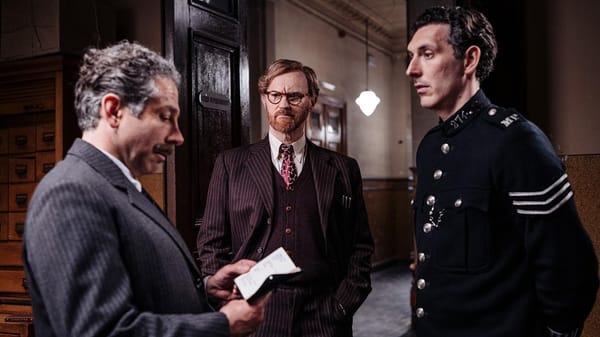
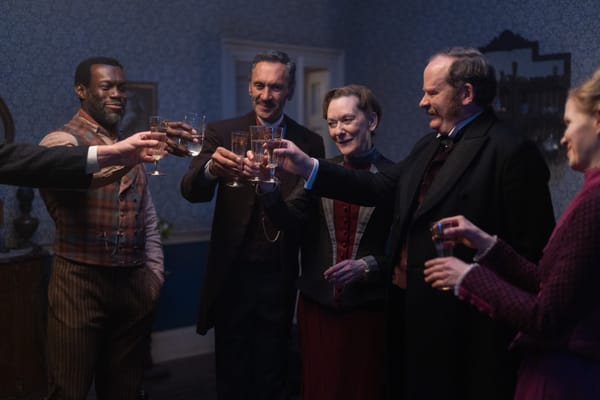
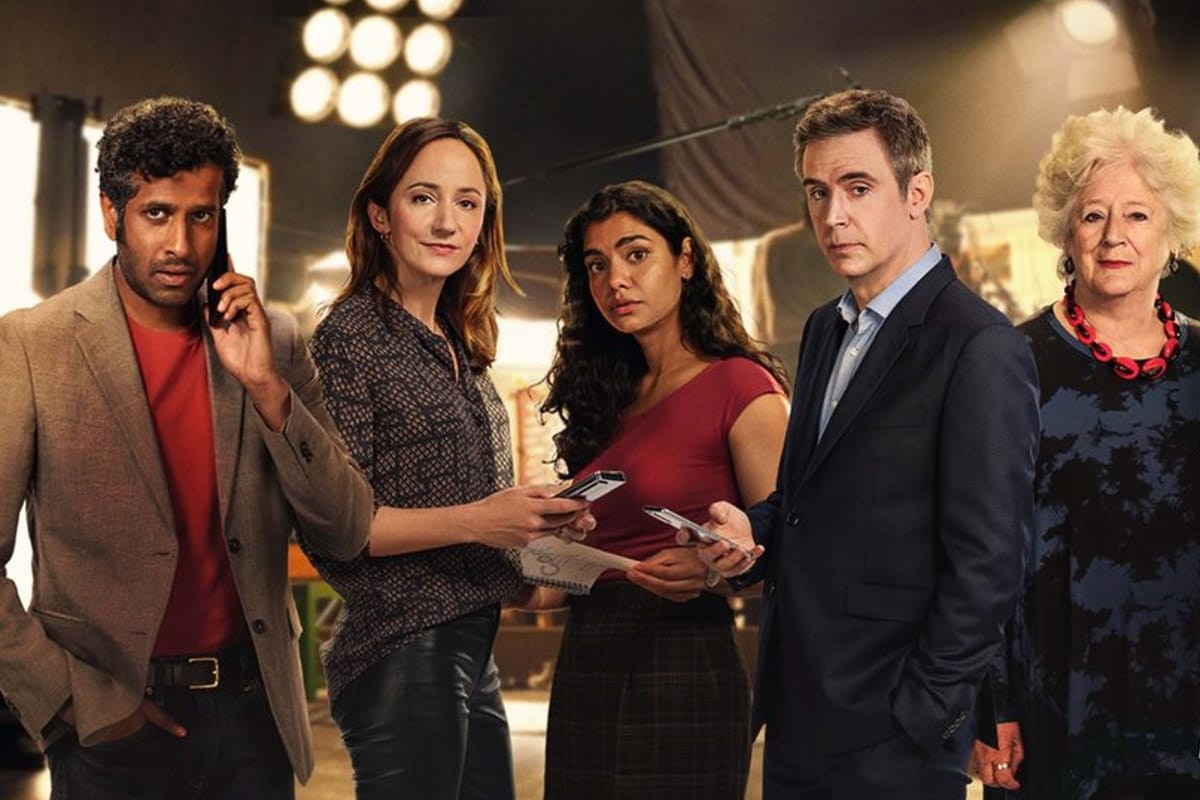
Like the original, Ten Percent begins with the death of the Nightingale Hart Agency's founder, Richard Nightingale (a far kindlier version of the French character, played by Jim Broadbent at his cuddliest). Rather than allow it to fold, the top agents, Jonathan Nightingale (Jack Davenport), Rebecca Fox (Lydia Leonard), Stella Hart (Maggie Steed), Dan Bala (Prasanna Puwanarajah), step up to keep things running, eventually folding in Jonathan’s estranged secret daughter Misha (Hiftu Quasem). The main four are each the same archetypes as their French counterparts, and their troubles — like breaking it to an actress client, she's been dropped from a film — are direct retreads from the corresponding French installment.